

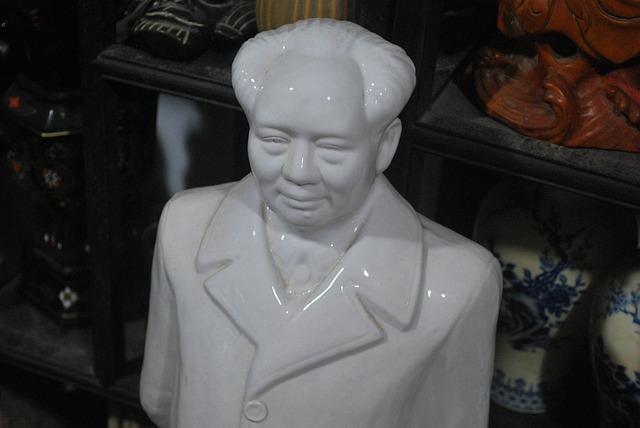
In a recent turn of events that underscores the delicate interplay between sports, politics, and international relations, French football star Kylian Mbappé has issued an apology following his controversial remarks regarding Mao Zedong. The comments, which were perceived as insensitive in the context of China’s historical narrative, led to a swift backlash, resulting in several Chinese brands severing ties with the World Cup champion. As the sports world grapples with the implications of celebrity statements in a globalized landscape, Mbappé’s situation raises important questions about the responsibilities of athletes as public figures and the potential consequences of their words. This article delves into the specifics of the incident, the reaction from the affected brands, and the broader implications for Mbappé’s career and image in the lucrative Asian market.
Kylian Mbappé Faces Backlash from Chinese Brands Over Controversial Historical Remark
Kylian Mbappé has found himself in the midst of a significant backlash following a controversial remark regarding Mao Zedong, the former leader of China. The comment, which seemed to trivialize Mao’s historical impact, did not sit well with Chinese brands that had previously endorsed the French football star. As a consequence, several companies swiftly moved to distance themselves from the Paris Saint-Germain forward, pulling their sponsorships and campaigns featuring him. This decision reflects the sensitivity surrounding the portrayal of historical figures in China, where Mao Zedong remains a contentious topic, revered by some and criticized by others.
In an effort to mitigate the fallout, Mbappé has issued a public apology, expressing regret for any offense caused by his statement. The immediate ramifications have been a sharp decline in his visibility within the Chinese market, as brands reassess their associations with high-profile athletes amid geopolitical tensions. The situation highlights the intricate relationship between sports figures and international markets, where a single remark can result in severe consequences. Key impacts of this controversy include:
- Loss of Endorsements: Several high-profile partnerships are now in jeopardy.
- Reputation Management: The need for athletes to navigate their public statements carefully.
- Market Sensitivity: Increased scrutiny of athletes’ historical and political comments.
As the situation unfolds, observers will be keen to see how Mbappé rebuilds his brand and whether he can rectify relationships with fans and sponsors in the region. The incident serves as a reminder of the complex interplay between sports, culture, and politics in the global landscape.
Understanding the Impact of Celebrity Comments on Global Branding and Market Relations
Kylian Mbappé’s recent comments regarding Mao Zedong have ignited a firestorm of controversy that underscores the delicate nature of celebrity influence in global markets. As a prominent figure in sports, the French football star’s words carry weight far beyond the soccer pitch. Following his remarks, which many interpreted as a trivialization of a complex historical figure, several Chinese brands halted their partnerships with him. This incident exemplifies how a single statement can lead to *immediate repercussions* in brand partnerships and market relations, particularly in regions where historical sensitivities are paramount.
The fallout from this situation highlights several key themes in the relationship between celebrity culture and branding, including:
- Reputation Management: Brands carefully curate their public image, and any association with controversial figures can jeopardize that.
- Consumer Sentiment: Chinese consumers’ sentiments toward historical figures like Mao can significantly influence brand loyalty.
- Market Expectations: International brands must navigate local cultural norms and expectations to avoid backlash.
| Impact | Example from the Incident |
|---|---|
| Brand Boycott | Chinese brands cutting ties with Mbappé |
| Public Apology | Mbappé’s swift apology to mitigate further damage |
| Long-term Consequences | Potential lasting impact on Mbappé’s marketability in Asia |
The incident serves as a stark reminder that in today’s interconnected world, celebrity comments can ripple across global markets, affecting not just the individuals involved but also the brands that align with them. Stakeholders must navigate this complex landscape with caution, as the balance between influencing public opinion and maintaining brand integrity becomes increasingly precarious. As brands continue to engage in international markets, the lessons learned from Mbappé’s comments will likely resonate for some time, prompting a reevaluation of strategies concerning celebrity endorsements and partnerships.
Strategies for Athletes to Navigate Cultural Sensitivities in International Markets
In the world of sports, particularly football, where brands seek to align with athletes’ global influence, cultural sensitivities play a pivotal role. The recent incident involving Kylian Mbappé serves as a stark reminder that comments, even if made in jest, can lead to significant repercussions in international markets. Athletes must cultivate an understanding of the social and political landscapes in which they are operating. Here are some key strategies for navigating these complexities:
- Conduct Thorough Research: Athletes should familiarize themselves with the cultural history and current socio-political dynamics of the countries they engage with.
- Engage Local Experts: Collaborating with local cultural advisors can provide valuable insights and help prevent missteps.
- Utilize Social Media Wisely: Athletes should think critically before posting comments or images that might be interpreted differently across cultures.
- Prioritize Sensitivity Training: Participating in cultural sensitivity workshops can enhance an athlete’s awareness of diverse perspectives.
To illustrate the potential fallout from cultural missteps, consider the impact of Mbappé’s recent comments. Brands often assess the cultural alignment of their endorsements, weighing the potential risks against the rewards. The consequences of these miscalculations can be significant. The table below outlines the differences in brand perceptions based on cultural understanding:
| Brand Perception | High Cultural Understanding | Low Cultural Understanding |
|---|---|---|
| Trustworthiness | High | Moderate |
| Reputation | Strong | Vulnerable |
| Market Presence | Expansion | Decline |
Concluding Remarks
In conclusion, Kylian Mbappé’s recent comments regarding Mao Zedong have sparked significant backlash, resulting in the withdrawal of support from several Chinese brands. The French football star, known for his influence both on and off the pitch, has since issued a public apology, seeking to mend relationships that were strained by his remarks. This incident highlights the delicate balance athletes must navigate in the global marketplace, where cultural sensitivities can have immediate repercussions. As Mbappé moves forward, it remains to be seen how this experience will shape his future engagements with sponsors and his broader public persona. The fallout from this controversy serves as a reminder of the complexities that come with fame in an increasingly interconnected world.