

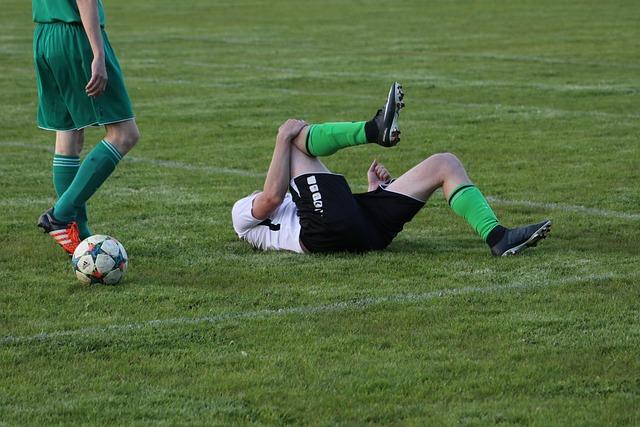
In a contentious moment that has sparked considerable debate among fans and analysts alike, Gazzetta dello Sport has weighed in on the controversial foul committed by AC Milan’s Matteo Marcandalli against Juventus midfielder Adrien Rabiot. The incident, which unfolded during a high-stakes Serie A clash, has ignited discussions about officiating standards and the interpretation of fouls in the game. With Gazzetta’s expert analysis labeling the foul as “more red than yellow,” the implications of this decision extend beyond the pitch, raising questions about player safety and the consistency of disciplinary measures within the league. As the football community grapples with the fallout, we delve into the details of the incident and its potential repercussions for both players and teams involved.
Gazzetta Analysis of Marcandalli’s Challenge: A Case for Stricter Officiating Standards
In a decisive moment during the recent Milan fixture, Marcandalli’s challenge on Rabiot has sparked intense debate regarding the standards of officiating in Serie A. Many analysts, including Gazzetta, believe that the nature of the foul was more deserving of a red card than the yellow shown by the referee. This incident underscores a growing concern within the league about consistency and clarity when it comes to enforcing regulations on dangerous play. Key points highlighted include:
- Potential for Injury: The severity of the tackle raises questions about player safety.
- Referee’s Discretion: The inconsistency in decision-making during matches affects the integrity of the game.
- League Standards: A call for a uniform approach to ruling could enhance the credibility of officiating.
This particular instance could serve as a catalyst for discussions on the implementation of stricter officiating standards across the league. As fans and pundits call for accountability, a deeper examination of how fouls are assessed and penalized is essential. A proposed framework for officiating adjustments includes:
| Proposed Change | Impact |
|---|---|
| Clearer Guidelines on Foul Criteria | Enhanced consistency in officiating |
| Increased Use of VAR for Foul Assessment | Reduction in controversial decisions |
| Mandated Referee Training Sessions | Improved decision-making skills |
Rabiot’s Incident Sparks Debate on Referee Discretion and Player Safety
The recent foul by Marcandalli on Rabiot has ignited a passionate discussion surrounding the role of referees in ensuring player safety versus their application of the rules of the game. Many analysts and fans alike have pointed out that the severity of the challenge warranted a more severe punishment than the yellow card issued. Critics argue that the incident was not only reckless but also posed a significant risk to Rabiot’s well-being, emphasizing the need for referees to exercise greater discretion when assessing such dangerous tackles. Key points to consider include:
- Player safety as a priority: With increasing concern over injuries in football, critics advocate for stricter enforcement of rules regarding dangerous play.
- Referee training and consistency: Ensuring referees are well-trained to recognize and penalize potential injuries is crucial for the integrity of the game.
Moreover, discussions have erupted regarding the guidelines referees are expected to follow, leading to questions about the consistency of officiating across matches. Supporters of a red card for Marcandalli highlight that such actions can have severe repercussions, influencing not only individual matches but also seasons. The incident serves as a reminder of the delicate balance between allowing aggressive play and maintaining a safe environment for athletes. Advocates for change are calling for clearer definitions and protocols that prioritize player safety and encourage referees to take a firmer stand on dangerous fouls. Notable reactions include:
| Reaction | Perspective |
|---|---|
| Football analyst | “This foul was indicative of a growing trend in how players engage; stricter penalties are essential.” |
| Former referee | “The laws are there, but execution varies; consistency is key.” |
| Player’s advocate | “Every player deserves to feel safe on the pitch; more red cards are needed for reckless tackles.” |
Recommendations for Enhanced VAR Implementation to Address Controversial Calls
To navigate the contentious landscape of VAR decisions following incidents like Marcandalli’s foul on Rabiot, it is vital for governing bodies to refine the implementation of video assistant referee technology. The consensus among analysts and fans suggests that clearer guidelines must be established to aid referees in making definitive calls. Key strategies include:
- Enhanced Training Programs: Regular workshops for referees and VAR officials to ensure they are well-versed in the latest interpretation of the rules.
- Standardized Protocols: A uniform set of criteria for assessing fouls, which would reduce discrepancies in decision-making.
- Real-Time Communication: Improved dialogue between on-field referees and VAR teams to allow for faster and more transparent decisions.
Furthermore, utilizing technology itself to improve VAR effectiveness by introducing additional tools can also be considered. A shift towards more interactive fan engagements through live decision reviews could increase transparency and acceptance of decisions. This might include:
- Viewer Education: Offering insights into the VAR process during broadcasts to demystify the decision-making in real time.
- Public Access to Footage: Allowing fans to view the same camera angles and replay angles as referees to foster understanding.
In Retrospect
In conclusion, the controversial foul committed by Marcandalli on Rabiot during the recent match has sparked heated debate among fans and analysts alike. The incident raises questions not just about the officiating standards but also the interpretation of on-field conduct in high-stakes games. As the football community reflects on the implications of such decisions, it remains to be seen how this incident will influence future refereeing guidelines and team strategies. With discussions likely to continue in the coming days, one thing is certain: the passion for the game endures, whether in moments of triumph or in dissent. For more updates on this story and other developments in the world of football, stay tuned to MilanReports.com.