

Title: A Closer Look at CA Boca Juniors’ Iconic Home: The Alberto J. Armando Stadium
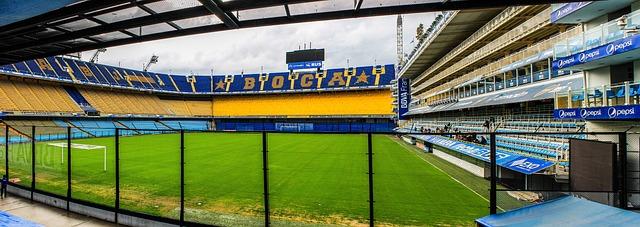
In the vibrant heart of Buenos Aires, lies the legendary Alberto J. Armando Stadium, more commonly known as La Bombonera. Home to the storied CA Boca Juniors, this iconic venue has witnessed some of the most exhilarating moments in football history. As one of the most recognizable stadiums in the world, La Bombonera not only serves as a fortress for Boca Juniors but also as a crucial piece of the club’s rich heritage and identity. Recently, football statistics platform Transfermarkt shed light on the stadium’s significance, delving into its capacity, architectural uniqueness, and the role it plays in the club’s financial and cultural ecosystem. This article will explore the multifaceted nature of La Bombonera and its importance both on and off the pitch for one of South America’s most celebrated football clubs.
Exploring the Historical Significance of Alberto J. Armando Stadium for CA Boca Juniors
The Alberto J. Armando Stadium, commonly known as La Bombonera, is not just a sports venue; it is an emblematic cornerstone of Argentine culture and identity, particularly for the passionate fans of CA Boca Juniors. Constructed in 1940, this iconic stadium has witnessed countless historical moments that have defined both the club and Argentine football. The unique structure, with its distinctive “bowl” shape, creates an electric atmosphere that is unparalleled in the world of sports. La Bombonera has been the backdrop for Boca’s numerous domestic and international triumphs, making it a site of pilgrimage for fans and historians alike.
Throughout its history, La Bombonera has played host to several monumental matches, solidifying its reputation as a fortress for Boca Juniors. Key highlights include:
- 1981 Copa Libertadores Final: Boca Juniors clinched their first title in a decisive match, forever sealing the stadium’s lore.
- 2000 Intercontinental Cup: Boca faced off against Real Madrid, showcasing their prowess on a global stage.
- Iconic Rivalry Matches: Boca vs. River Plate, known as the Superclásico, defines Argentine football and has taken place here numerous times.
Additionally, the stadium serves as a cultural hub, hosting concerts and events that reflect the vibrant spirit of Buenos Aires. Its undeniable impact on not only Boca Juniors but also on the global football scene underscores the importance of preserving this historic venue.
Analyzing Transfermarkt Data: Player Valuations and Market Trends for Boca Juniors
Recent data from Transfermarkt reveals intriguing insights into the player valuations and market trends associated with Boca Juniors. The evolving dynamics of the South American football market are clearly reflected in the prices attributed to current squad members. Among the most notable factors influencing these valuations are the players’ individual performances, recent transfer rumors, and the club’s ongoing pursuit of regional success. In particular, key players such as Darío Benedetto and Cristian Medina have shown significant fluctuations in their market values, highlighting the volatility that often characterizes the football transfer realm.
A closer look at the transfer history of Boca Juniors over the past few years indicates a pattern of strategic acquisitions and high-profile departures. To illustrate these trends, the following table summarizes the top five player valuations currently associated with the club, alongside their respective market changes over the last year:
| Player Name | Position | Current Valuation | Change (Last Year) |
|---|---|---|---|
| Darío Benedetto | Forward | €7M | +10% |
| Cristian Medina | Midfielder | €4M | -5% |
| Exequiel Zeballos | Forward | €5M | +20% |
| Mauro Valís | Defender | €2.5M | +15% |
| Agustín Almendra | Midfielder | €8M | -10% |
Enhancing Fan Experience: Recommendations for Stadium Upgrades at La Bombonera
To elevate the fan experience at La Bombonera, several upgrades could be implemented to modernize the iconic stadium while preserving its rich heritage. First and foremost, enhancing the seating comfort is paramount. Introducing ergonomic seating with improved legroom would make matchdays more enjoyable for spectators. Additionally, integrating VIP zones with luxurious amenities would cater to fans seeking premium experiences, potentially increasing revenue streams. Furthermore, installing more accessible viewing platforms for individuals with disabilities ensures that all fans can enjoy the passionate atmosphere of Boca Juniors matches.
Another significant upgrade should focus on technology integration. Implementing high-speed Wi-Fi and improved mobile connectivity throughout the stadium can enhance fan engagement through real-time updates and social media sharing. The addition of LED screens at strategic locations would provide fans with live match statistics, instant replays, and interactive content, fostering a more immersive experience. Lastly, expanding food and beverage options to include local cuisine alongside traditional stadium fare could create a unique culinary experience that reflects the culture of Buenos Aires.
Key Takeaways
As we draw our exploration of CA Boca Juniors’ legendary stadium, Estadio Alberto J. Armando, to a close, it is evident that this hallowed ground is more than just a venue for football; it is a symbol of the passion and pride that defines one of Argentina’s most storied clubs. With its rich history, vibrant atmosphere, and an unwavering loyal fan base, La Bombonera continues to be a fortress for Boca Juniors and a pilgrimage site for football enthusiasts around the globe. As we look forward to future developments and the ongoing evolution of this iconic stadium, one thing remains certain: the heart and soul of Boca Juniors will always resonate within its walls. For more in-depth insights and the latest updates on player transfers and developments at the club, visit Transfermarkt, where the legacy of Boca Juniors meets real-time data and analysis.