
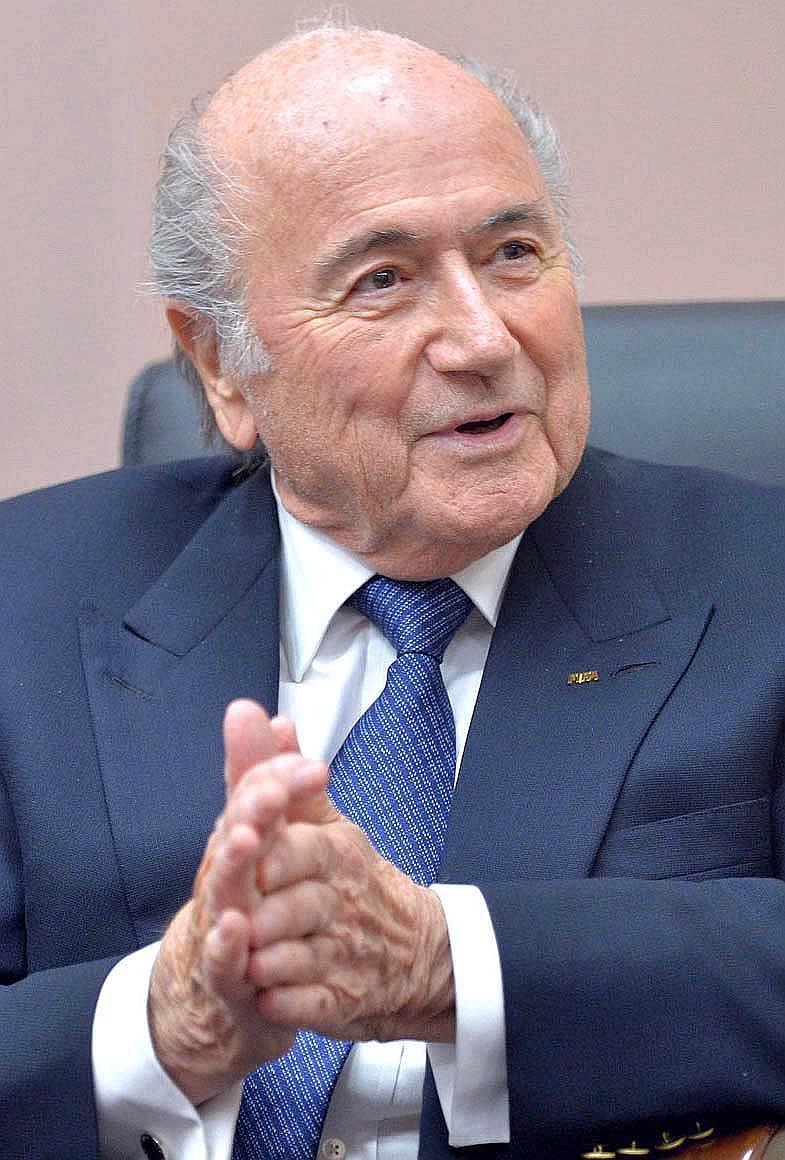
In a significant legal development, former FIFA president Sepp Blatter and former UEFA president Michel Platini have been acquitted of fraud charges related to a controversial million payment that had long been at the center of allegations of corruption. The verdict, delivered by a Swiss court, marks a dramatic turn for two of football’s most prominent figures, whose reputations have been marred by years of scrutiny and scandal. The ruling not only brings relief to the defendants but also raises questions about the governance and accountability within the sport’s highest institutions. As the global football community reacts to the news, the implications of this verdict extend beyond the courtroom, potentially reshaping the narrative around governance in international football.
Blatter and Platini Cleared of Fraud Charges Impacting FIFA’s Reputation and Future Governance
In a significant turn of events, former FIFA president Sepp Blatter and ex-Uefa chief Michel Platini have been acquitted of fraud charges that have clouded the organization’s image for nearly a decade. The case, which stemmed from a controversial payment made by Blatter to Platini in 2011, was perceived not only as a legal issue but also as a critical moment affecting FIFA’s reputation globally. The courtroom’s verdict has not only ruled out allegations of malfeasance but has also brought to light several factors that could influence the future governance of the sport’s international body.
As the dust settles, several key implications arise from the acquittal of these two iconic figures in football. Among them are:
- Regaining Trust: The ruling may help FIFA reclaim credibility, which had been undermined by a series of scandals in the past.
- Governance Reforms: This acquittal could pave the way for reforms in FIFA’s governance structure, allowing for a more transparent operation moving forward.
- Legacy Considerations: Both Blatter and Platini’s legacies are now subject to reevaluation in the context of their impact on football.
Despite the favorable outcome for Blatter and Platini, the road ahead for FIFA remains fraught with challenges. The organization must now focus on addressing other ongoing controversies and moving towards a more accountable governance model. An examination of potential reforms could include updated compliance measures and stricter oversight to prevent future allegations of fraud and corruption. As the world watches, the ramifications of this verdict will play a crucial role in shaping the future landscape of football governance.
Examining the Implications of the Acquittal on Football Integrity and Recommendations for Systemic Reforms
The recent acquittal of Sepp Blatter and Michel Platini on FIFA fraud charges raises significant questions about the integrity of football governance and the potential for further corruption in the sport. While the ruling may bring relief to both figures, it casts a shadow on the efforts to restore trust within FIFA and its affiliated organizations. Stakeholders within the football community and beyond are now faced with the challenge of reassessing the mechanisms currently in place to combat corruption and ensure transparency. Key concerns include:
- Transparency in Decision-Making: The opaque nature of FIFA’s decision-making processes must be addressed to prevent future corruption.
- Oversight Mechanisms: There is a pressing need for independent oversight bodies to monitor financial transactions and governance practices.
- Stakeholder Engagement: Engaging players, clubs, and fans in dialogue about governance may help enhance accountability.
- Whistleblower Protection: Instituting robust protections for whistleblowers could encourage reporting of unethical practices.
As the football world continues to grapple with these implications, systemic reforms are indispensable to safeguard the sport’s integrity. For example, establishing clear guidelines on financial dealings and revising the election process for leadership positions at FIFA could greatly enhance accountability. An effective framework might look like the following:
| Reform Area | Proposed Change | Expected Outcome |
|---|---|---|
| Governance Structure | Introduce term limits for high-ranking officials | Reduce the risk of power consolidation |
| Financial Transparency | Mandatory public disclosures of contracts over a certain amount | Increase accountability and trust |
| Disciplinary Action | Establish an independent ethics committee | Ensure impartial adjudication of corruption cases |
Closing Remarks
In conclusion, the acquittal of Sepp Blatter and Michel Platini marks a significant moment in the ongoing saga surrounding FIFA’s governance and the tumultuous events that have plagued world football’s governing body over the past decade. The decision by the Swiss federal court to clear both men of fraud charges not only raises questions about the legal processes involved but also highlights the intricate web of power, influence, and accountability that continues to shape international football. As the dust settles on this high-profile case, the implications for FIFA and its future operations remain to be seen. Stakeholders across the football community will undoubtedly be watching closely as the organization strives to restore its image and navigate the complexities of governance in a sport that commands global attention.