

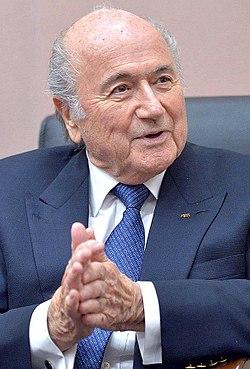
Former FIFA President Sepp Blatter and Michel Platini Cleared in Corruption Case
In a landmark ruling that has sent shockwaves through the world of football, former FIFA president Sepp Blatter and UEFA ex-president Michel Platini have been acquitted of all charges in a high-profile corruption case that has lingered for nearly seven years. The verdict, delivered by a Swiss court, marks a significant turn of events for both football executives, who had faced serious allegations involving unethical financial dealings during their tenures at the helm of international football governance. As the dust settles on this unprecedented case, questions remain about the implications for the sport, the integrity of its leaders, and the long-lasting effects on ongoing reforms within FIFA and UEFA.
In this article, we explore the details surrounding the case, the implications of the ruling, and the potential impact this may have on the future of football governance in a post-corruption era.
Legal Relief for Sepp Blatter and Michel Platini as Corruption Charges Dismissed
In a significant turn of events, former FIFA president Sepp Blatter and ex-Uefa chief Michel Platini have been acquitted of all corruption charges stemming from a controversial $2 million payment made in 2011. The ruling has not only cleared their names but also highlighted potential irregularities in the investigation process, raising questions about the motivations behind the charges. Prosecutors had initially argued that the payment was unauthorized and steering FIFA’s finances, but the court found insufficient evidence to support these claims, making the dismissal a landmark moment for both men.
The courtroom battle illuminated key aspects regarding the integrity of football governance, with reactions from various corners of the sports world emerging swiftly. Supporters of Blatter and Platini celebrated today’s decision, which now allows them to focus on their legacies. Key factors influencing the court’s decision included:
- Lack of Evidence: The prosecution’s failure to present convincing proof of wrongdoing.
- Statute of Limitations: The timing of the charges placed a constraint on legal proceedings.
- Political Context: Increasing scrutiny of FIFA’s governance and potential ulterior motives behind the investigation.
Implications for Football Governance Reform Following the Exoneration of FIFA Officials
The recent exoneration of Sepp Blatter and Michel Platini has reopened the debate surrounding football governance reform. As the dust settles, it becomes crucial to explore how these developments might impact the existing structures within FIFA and global football. The ruling could ignite a reconsideration of governance frameworks, leading stakeholders to advocate for changes in transparency and accountability measures. It may also highlight the pressing need for enhanced regulations that can effectively deter corruption without compromising the autonomy of national federations and international bodies.
To move forward, key areas needing reform include:
- Increased Transparency: Implementing mandatory disclosures of financial dealings and decision-making processes.
- Stronger Oversight Mechanisms: Establishing independent committees to oversee major transactions and appointments.
- Whistleblower Protections: Ensuring safe channels for reporting unethical behavior within organizations.
- Revised Conflict of Interest Policies: Tightening regulations to prevent personal interests from interfering with the integrity of the sport.
| Current Issues | Proposed Reforms |
|---|---|
| Corruption Allegations | Enhanced oversight and transparency practices |
| Lack of Accountability | Stricter enforcement of governance policies |
| Insufficient Whistleblower Protections | Creation of secure reporting mechanisms |
While the acquittal of the former officials may suggest a lack of accountability, it could equally serve as a catalyst for reform discussions, paving the way for more robust governance systems that prioritize the integrity of the game. The football community must seize this opportunity to advocate for fundamental changes that ensure trust and fairness in the sport, thereby fostering a more sustainable future for football on all levels.
Key Takeaways
In conclusion, the exoneration of Sepp Blatter and Michel Platini marks a significant turning point in the long-standing saga surrounding FIFA’s governance and the global sports landscape. The ruling not only clears the pair of corruption charges but also raises questions about the integrity of the investigations that sought to hold them accountable. As both Blatter and Platini prepare for the next phases of their lives, the football community is left to reflect on the implications of this decision. With FIFA striving for a new era of transparency and accountability, the need for continued scrutiny and reform remains paramount. The world will be watching closely as this landmark case concludes, but its reverberations within the realm of international football are likely to be felt for years to come.