
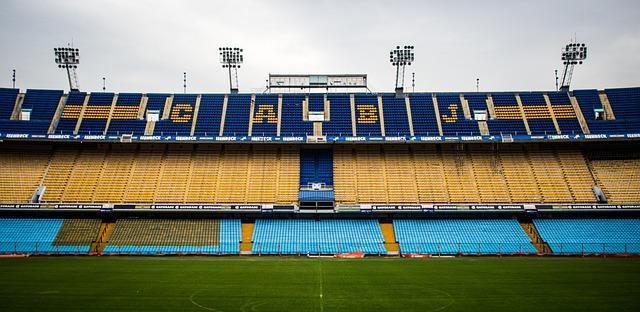
CA Boca Juniors: Exploring the Legacy of Estadio Alberto J. Armando
As one of the most revered clubs in South American football, Club Atlético Boca Juniors boasts a rich history entwined with its iconic home ground, Estadio Alberto J. Armando, commonly known as La Bombonera. This storied stadium has been the backdrop to countless unforgettable moments, hosting passionate fans and legendary matches that have defined the club’s identity. Renowned not only for its unique architecture and atmosphere but also for its significant role in the football transfer market, La Bombonera has become a focal point for both local and international football enthusiasts. In this article, we delve into the fascinating details of Boca Juniors’ revered stadium, examining its history, architectural significance, and the impact it has on the club’s transfer-related dynamics as highlighted by Transfermarkt, shedding light on how this hallowed ground continues to shape the future of one of the world’s most successful football institutions.
Exploring the Legacy of Alberto J. Armando Stadium: A Fortress for Boca Juniors
Alberto J. Armando Stadium, widely known as La Bombonera, stands tall not just as a venue for football matches but as a symbol of the undying spirit of Boca Juniors. Opened in 1940, this iconic stadium has been the home ground for one of the most storied clubs in football history. Its unique architectural design, featuring a distinctive shape and steep stands, creates an unparalleled atmosphere that resonates with the deafening roar of passionate fans. The stadium has witnessed countless unforgettable moments, from thrilling last-minute goals to legendary clashes against fierce rivals, solidifying its status as a true fortress in the world of sports.
Throughout the decades, La Bombonera has not only hosted domestic league matches but also significant international tournaments, contributing richly to Boca Juniors’ legacy. The vibrant energy of the crowd, often described as a “living entity,” encapsulates the essence of football culture in Argentina. The stadium’s walls are steeped in history, echoing the chants and celebrations of generations of supporters. The ambiance in this iconic venue is often described as electric, fueled by the devotion of fans who fill the stands with their unwavering support. The modern tributes to past legends and the ongoing renovations signify a commitment to preserving the stadium’s rich legacy while preparing for the future.
| Notable Events | Year |
|---|---|
| First Copa Libertadores Title | 1977 |
| Historic Superclásico against River Plate | 2018 |
| Inauguration of the new stand | 2000 |
Analyzing Boca Juniors Player Transfers: Insights from Transfermarkt Data
In recent years, CA Boca Juniors has made significant waves in the transfer market, a trend that can be vividly traced through data provided by Transfermarkt. The club’s strategy has often focused on striking a balance between signing emerging talents and seasoned professionals. Analyzing the data reveals a pattern of investments in young players, aiming to build a strong foundation for the team’s future, while simultaneously recruiting experienced athletes to bolster immediate competitiveness.
Key insights from the Transfermarkt data showcase the evolution of Boca Juniors’ transfer activities, with a few notable trends worthy of attention:
- Increased Investment: Over the last few seasons, there has been a noticeable uptick in the club’s expenditure on player acquisitions.
- Focus on Youth Development: Boca has successfully integrated younger players into the first team, emphasizing their long-term vision.
- Notable Departures: While bringing in talent, the club has also seen significant departures, often capitalizing on the high valuations of their star players.
| Season | Net Spend (€) | Key Additions |
|---|---|---|
| 2020/21 | -15M | Player A, Player B |
| 2021/22 | +5M | Player C, Player D |
| 2022/23 | -20M | Player E, Player F |
Enhancing the Fan Experience at Alberto J. Armando Stadium: Recommendations for Improvement
As the iconic Alberto J. Armando Stadium continues to be a bastion of football enthusiasm, implementing certain enhancements can significantly elevate the overall fan experience. One of the primary recommendations includes the introduction of mobile app services, which would provide real-time updates on match statistics, player performance, and in-stadium events. This app could also feature a interactive seating map, allowing fans to quickly view available seats, report issues, or even order refreshments with the tap of a screen, minimizing downtime during matches.
To further engage fans, the stadium could benefit from enhanced amenities that create a family-friendly atmosphere. Expanding the variety of food and beverage options is crucial; integrating local culinary delights can create a unique culinary experience. Additional suggestions include establishing designated fan zones where supporters can gather before and after matches to enjoy live entertainment, photo opportunities, and interactive displays related to Boca Juniors’ storied history. These initiatives could not only foster community spirit but also attract new fans, making each match day an unforgettable celebration of football.
In Conclusion
In conclusion, the Alberto J. Armando Stadium, commonly known as La Bombonera, stands not only as the home of CA Boca Juniors but also as a monumental symbol of Argentine football culture. With its unique design, passionate atmosphere, and storied history, the stadium continues to be a key player in the club’s narrative and an essential site for football enthusiasts worldwide. As CA Boca Juniors prepares for future challenges on the field, La Bombonera remains a fortress of hope, pride, and resilience for its loyal supporters. Through ongoing developments and potential renovations, the stadium is set to uphold its legendary status while embracing the evolving landscape of modern sports venues. For fans and visitors alike, a trip to La Bombonera is a pilgrimage to the heart of Argentine football.