
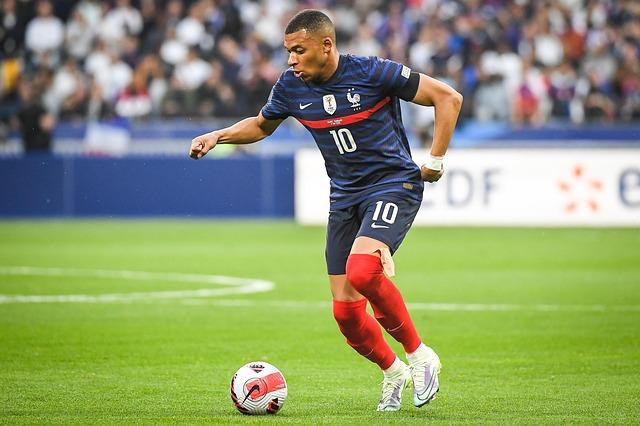
In a powerful statement that has reverberated throughout the football community, superstar Kylian Mbappé addressed recent incidents of racial abuse directed at Brazilian forward Vinícius Júnior. Speaking to reporters after a high-stakes match, the French international revealed that he had personally heard the racist taunts aimed at his fellow player, highlighting the urgent need for action against racism within the sport. As discussions surrounding equality and inclusivity in football intensify, Mbappé’s comments bring to light the ongoing challenges faced by athletes of color and underscore the responsibility of the footballing world to confront and eradicate discrimination. This article delves into Mbappé’s remarks, the context of the abuse, and the broader implications for the sport.
Kylian Mbappé Addresses Racism in Football Following Vinícius Júnior Incident
Kylian Mbappé has recently spoken out against the wave of racism that has blighted football, particularly following the distressing incidents involving fellow player Vinícius Júnior. During an interview, Mbappé revealed, “I heard the abuse directed at Vinícius. This is completely unacceptable.” His words come in the wake of heightened awareness around racial abuse, triggering calls for a united front within the sport to tackle this pressing issue. Mbappé’s comments underline the urgency of addressing racism not just as a series of isolated events, but as a deeply rooted problem that requires collective action from players, clubs, and governing bodies alike.
In light of recent events, many figures in football are advocating for stringent measures to mitigate racism within the sport. Some of the proposed actions include:
- Stricter Penalties: Enforcing harsher sanctions for clubs and fans found guilty of racial abuse.
- Awareness Campaigns: Promoting education and awareness regarding racism among young athletes and fans.
- Support Networks: Establishing support systems for players facing discrimination.
An ongoing discussion has emerged about not just reacting to incidents, but proactively preventing them through comprehensive reforms. As Mbappé pointed out, “Football must be a place for everyone, regardless of the color of their skin,” and it’s clear that the fight against racism demands a robust and unified response from the football community.
The Need for Collective Action Against Racist Abuse in Sports
The report of Kylian Mbappé acknowledging the racist abuse directed at Vinícius Júnior during a recent match underscores a significant issue that plagues the world of sports. This incident is not merely an isolated occurrence; rather, it reflects a broader culture of racism that persists within the sporting community. As prominent athletes step forward, they highlight the critical need for unified action. Such vocal standpoints from megastars can galvanize fans, players, and organizations alike to collectively denounce racism and foster a more inclusive atmosphere both on and off the field.
To combat this deeply rooted problem, stakeholders within sports must take decisive steps, including:
- Policy Reform: Implementing stricter penalties for racist behavior at all levels of the game.
- Awareness Programs: Launching educational initiatives aimed at young athletes and fans.
- Support Networks: Establishing systems for players to report incidents without fear of retaliation.
By collectively addressing these issues, sports organizations can promote a culture of respect and equality. Mbappé’s remarks serve as a reminder that the fight against racism in sports is a shared responsibility, requiring an ongoing commitment from everyone involved, from players and coaches to fans and administrative bodies.
Building an Inclusive Future: Recommendations for Tackling Racism in Football
The recent acknowledgment by Kylian Mbappé regarding the racist abuse directed at Vinícius Júnior highlights a pervasive issue within football that demands urgent attention. As players take a stand against such prejudices, it becomes imperative for governing bodies, clubs, and fans alike to collaborate on effective strategies for change. The following recommendations aim to address the troubling incidence of racism in football:
- Enhance Education Programs: Implement training sessions for players, staff, and fans that focus on the impact of racism and the importance of diversity and inclusion.
- Introduce Strict Penalties: Enforce harsher sanctions against clubs and individuals found guilty of racist behavior, including increased fines and stadium bans.
- Collaborate with Advocacy Groups: Partner with organizations that specialize in anti-racism efforts to create community outreach programs that reinforce the message of equality.
- Utilize Technology: Leverage social media monitoring tools to identify and address racist remarks quickly, ensuring that offenders are held accountable.
- Promote Diverse Leadership: Increase representation of marginalized groups within managerial and executive positions in football associations and clubs.
| Recommendation | Expected Outcome |
|---|---|
| Education Programs | Enhanced awareness and sensitivity towards racism. |
| Strict Penalties | Deterrence of racist behavior in stadiums. |
| Advocacy Collaborations | Broader community engagement against racism. |
By uniting in these efforts, the football community can not only respond to incidents of racism but also foster an environment where diversity is celebrated and racism is unequivocally rejected. Through sustained commitment and collective action, we can work towards a sport that truly reflects inclusivity and respect for all its participants.
The Way Forward
In conclusion, Kylian Mbappé’s acknowledgment of the racist abuse directed at Vinícius Júnior underscores a pivotal moment in the sports world, highlighting the ongoing fight against racism in football. As elite athletes like Mbappé speak out, they shine a spotlight on the necessity for collective action from players, clubs, and governing bodies to combat discrimination in all its forms. The incidents surrounding Vinícius Júnior serve as a reminder that the sport must evolve beyond triumph and talent to embrace a commitment to inclusivity and respect. As the conversation around racism in football continues to unfold, it is imperative that all stakeholders remain vigilant and proactive in creating a safe, welcoming environment for players of all backgrounds.