
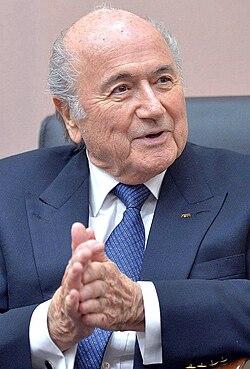
In a significant development in the world of sports governance, Swiss prosecutors announced the closure of their long-running investigation into former FIFA president Sepp Blatter and former UEFA president Michel Platini. After a decade of scrutiny and legal battles, the case centered around accusations of corruption and financial misconduct has finally been laid to rest. The announcement marks a pivotal moment not only for the two football titans but also for the broader landscape of international football governance, stirring reflections on accountability and the integrity of the sport. As the curtains close on this contentious chapter, questions linger about the implications for those involved and the future of football leadership.
Swiss Prosecutors Close Case on Sepp Blatter and Michel Platini After Prolonged Investigation
After a decade-long investigation that captivated the football world, Swiss prosecutors have officially closed the case against Sepp Blatter and Michel Platini. The former heads of FIFA and UEFA, respectively, faced allegations of fraud and corruption stemming from a controversial payment of 2 million Swiss francs made by Blatter to Platini in 2011. According to the authorities, insufficient evidence was found to substantiate the charges, thereby bringing an end to a saga that has left a significant mark on the governance of international football.
The decision to cease legal actions against these high-profile figures has ignited a flurry of reactions across the global football community, as both men once held considerable power in the sport. Key points surrounding the closure of the case include:
- Insufficient Evidence: Prosecutors concluded there was a lack of solid proof to proceed with the charges.
- Long-Lasting Impact: The investigation’s findings have raised serious questions about accountability and ethics in football administration.
- Future Implications: The closure might signal a shift in how similar cases are handled going forward.
Implications for FIFA Governance Reform and Future of Sports Corruption Probes
The decision by Swiss prosecutors to close the case against former FIFA president Sepp Blatter and former UEFA president Michel Platini marks a significant moment in the landscape of sports governance. This development raises crucial questions about the integrity of oversight mechanisms within international sports organizations. Even after a decade-long investigation, the absence of substantial legal consequences for such high-profile figures may foster a culture of impunity, dissuading future scrutiny into governance practices. As the sports world continues to grapple with issues of corruption and transparency, the need for robust and enforceable governance reforms becomes more pressing than ever.
Moving forward, the implications for FIFA’s governance structure and the broader sports ecosystem could be profound. Key areas for potential reform include:
- Stronger oversight bodies: Establish independent committees to monitor compliance and ethical standards.
- Enhanced transparency: Mandate public disclosures of financial transactions and decision-making processes.
- Whistleblower protections: Implement safeguards for individuals who expose wrongdoing within organizations.
With ongoing discussions about how to combat corruption effectively, stakeholders must prioritize these reforms, ensuring that the future of sports governance is rooted in accountability and fairness.
Concluding Remarks
In conclusion, the culmination of a decade-long investigation into Sepp Blatter and Michel Platini marks a significant moment in the ongoing saga of football’s governance. Swiss prosecutors have decided to end the case without any charges, highlighting the complexities surrounding sports administration and the challenges of proving corruption allegations. While the decision may bring some closure to the former football officials, it simultaneously raises questions about accountability within the sport’s upper echelons. As the world of football continues to evolve, stakeholders will be keenly watching how this development influences ongoing reforms and the broader transparency efforts within FIFA and UEFA. With the legal proceedings now concluded, attention will likely shift to the future of football leadership and the challenges that lie ahead in restoring public confidence in the sport.