
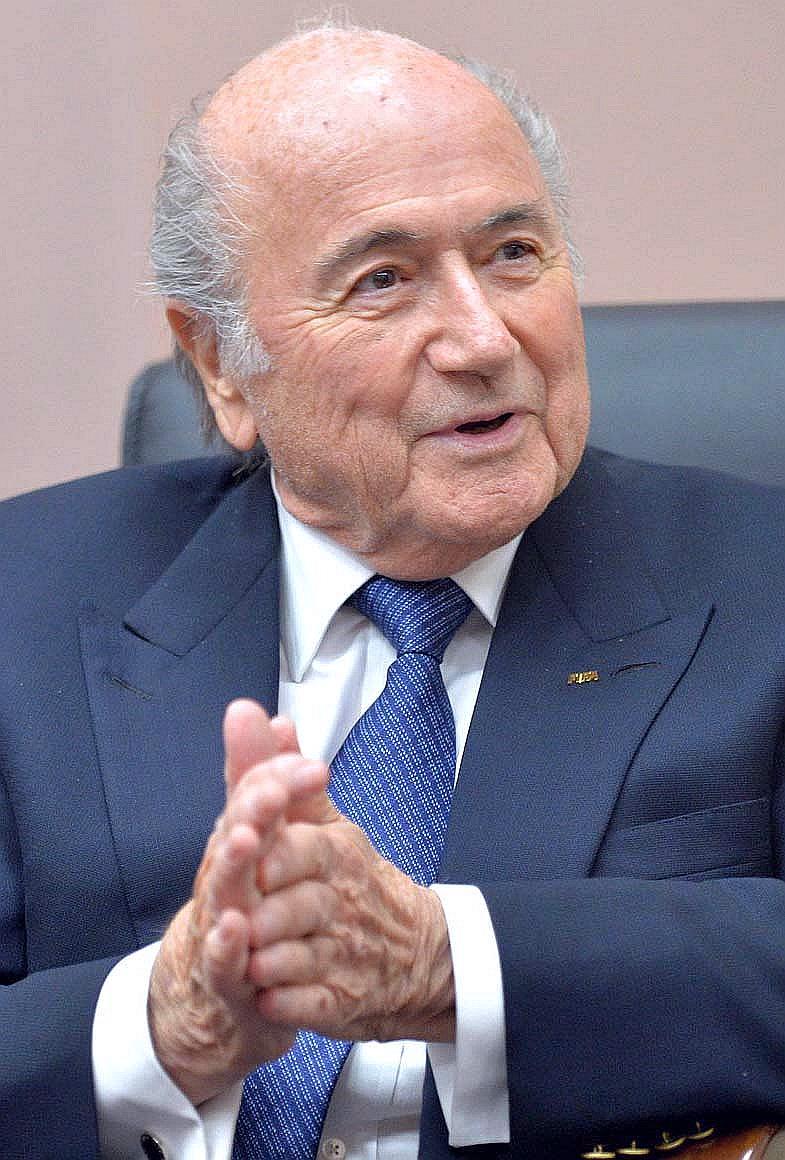
In a significant turn of events, Swiss prosecutors have officially closed their investigations into former FIFA President Sepp Blatter and ex-U UEFA chief Michel Platini, marking an end to a decade-long legal saga that has cast a long shadow over international football. The decision, announced this week, brings to a close the contentious cases that have posed fundamental questions about corruption within the sport’s highest echelons. Launched amid growing scrutiny of financial dealings in football, the investigations highlighted the complexities of governance and ethics in an institution long plagued by scandal. As the curtain falls on this chapter, the implications for both men and the broader football community remain profound, stirring reflections on accountability and the future of the game.
Swiss Prosecutors Conclude Prolonged Investigations into Blatter and Platini, Unraveling Corruption in Football Governance
Swiss prosecutors have officially concluded their long-running investigations into former FIFA president Sepp Blatter and UEFA ex-president Michel Platini, marking a significant milestone in the fight against corruption within the realm of football governance. After nearly a decade of scrutiny, the decision comes after extensive interviews, document reviews, and the examination of alleged fraudulent transactions related to a contentious payment from FIFA to Platini in 2011. This investigation revealed a complex web of relationships between FIFA and UEFA executives, raising serious questions about financial accountability and ethical standards within the organizations.
The ramifications of these findings are profound, as they shine a light on underlying issues that have plagued the sport for years. Key points from the investigation include:
- Mismanagement of Funds: Evidence suggested the mishandling of financial resources tied to global football.
- Conflict of Interest: Allegations surfaced concerning personal entanglements that compromised the integrity of decision-making.
- Impact on Governance: The findings may lead to reforms within both FIFA and UEFA to enhance transparency and restore trust.
As authorities wrap up this chapter, many analysts believe the closure of these cases could pave the way for significant changes in football governance, emphasizing a crucial need for accountability in an organization so integral to the global sports landscape. Stakeholders, fans, and analysts alike are keenly observing the potential for reform as the sport grapples with the legacy of corrupted leadership.
Implications for the Future: Enhancing Transparency and Accountability in FIFA’s Leadership Practices
The closure of the legal cases against Sepp Blatter and Michel Platini marks a pivotal moment for FIFA, raising questions about the need for more robust governance structures within the organization. As investigations concluded after a decade, the focus shifts to the frameworks that can prevent the kind of controversies that have plagued FIFA for years. Stakeholders are increasingly calling for reforms that would promote transparency and accountability in leadership decisions. The lessons learned from past misconduct emphasize the necessity of establishing strict ethical guidelines and oversight mechanisms to ensure that such incidents do not recur.
Moving forward, FIFA must commit to fostering an environment where good governance is prioritized and maintained. To this end, a few key actions could be vital:
- Implementing stronger auditing practices to provide more thorough oversight of financial activities.
- Enhancing whistleblower protections to encourage reporting of unethical behavior without fear of retaliation.
- Establishing independent review boards that can oversee FIFA’s operations and decision-making processes.
| Action | Description |
|---|---|
| Stronger Auditing Practices | Ensure comprehensive review of financial transactions to detect irregularities. |
| Whistleblower Protections | Safeguard individuals who report misconduct to promote transparency. |
| Independent Review Boards | Invite external experts to provide unbiased oversight of FIFA’s actions. |
The Way Forward
In conclusion, the decision by Swiss prosecutors to close the cases against former FIFA President Sepp Blatter and ex-U UEFA chief Michel Platini marks a significant moment in the long and tumultuous saga of football governance. After a decade of investigations that have captivated the global sports community, the conclusion of these high-profile cases underscores the complexities and challenges inherent in addressing corruption within the sport. While the legal proceedings may have officially come to an end, the impacts of their legacies continue to reverberate within football’s governing bodies. As the sport looks to move forward, it remains to be seen how these developments will influence the ongoing discussions around transparency and accountability in football administration. The futures of both Blatter and Platini may now transition from legal scrutiny to reflection on their respective contributions to the game, as the football world watches closely for any further implications arising from this long-awaited resolution.