
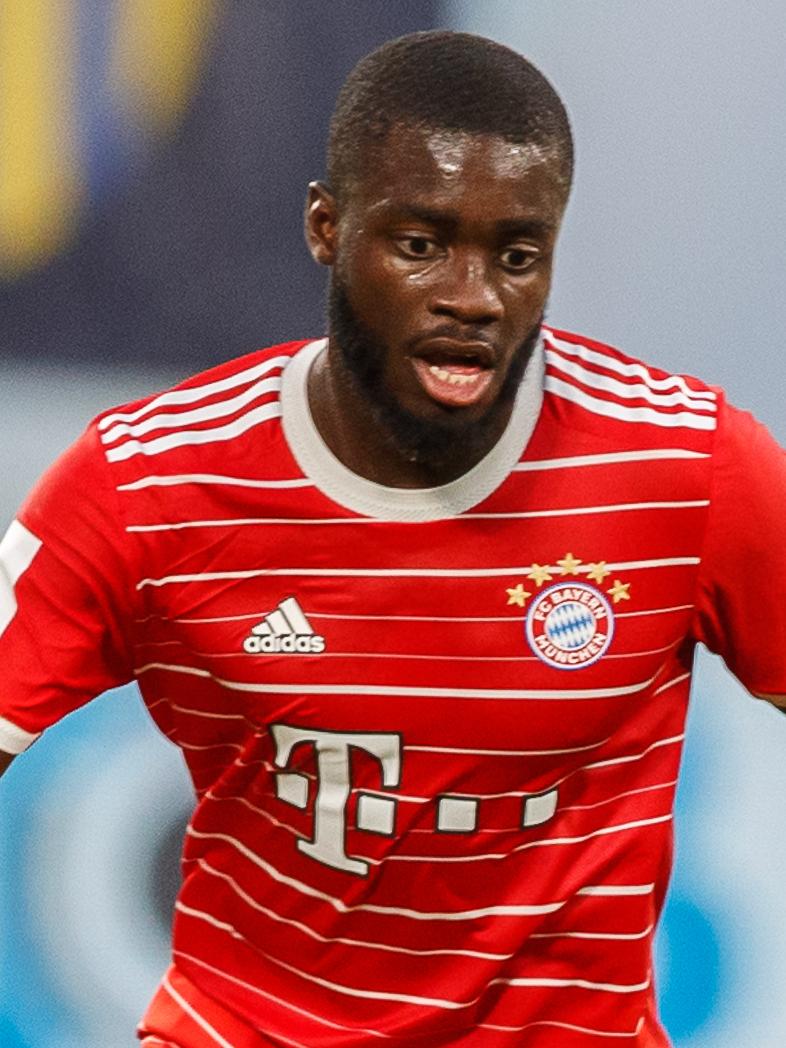
In a significant development for Bayern Munich’s defensive lineup, reports have emerged indicating that both Dayot Upamecano and Min-Jae Kim possess release clauses embedded in their respective contracts with the club. This revelation has sparked widespread speculation regarding the future of the two key defenders, raising questions about potential transfers and the Bayern hierarchy’s strategy in retaining talent. With the football transfer window approaching, clubs across Europe will be keenly monitoring the situation as Upamecano and Kim, both pivotal to Bayern’s ambitions, become potential targets for rival teams. As the landscape of football continues to evolve, the presence of these release clauses could reshape not only the future of the players involved but also the defensive dynamics of one of Europe’s footballing powerhouses.
Release Clauses in Bayern Munich Contracts: What Dayot Upamecano and Min-Jae Kim’s Arrangements Mean for the Future of the Team
Bayern Munich’s recent decisions to include release clauses in the contracts of Dayot Upamecano and Min-Jae Kim signal a strategic shift in how the club manages player contracts. This development not only adds a layer of flexibility to player transfers but also reflects the increasing financial pressures of modern football. These clauses, which often act as a safety net for players seeking new opportunities, could open the door for significant transfers in the near future, particularly with clubs across Europe constantly hunting for top talent. Observers will be keen to see how this impacts Bayern’s squad depth and their ability to retain top performers, given the elevated interest that may arise from rival clubs eager to capitalize on these arrangements.
The implications of these release clauses extend beyond just the immediate roster changes; they also offer insight into the club’s future transfer strategy. For Bayern, balancing the need to maintain a competitive edge while allowing players the freedom to make moves could lead to a reshaping of their identity on and off the pitch. Observing the potential reactions of other key players in the squad will be crucial, as it may trigger unrest or a desire for similar arrangements among those who feel underappreciated or undervalued. An emerging trend for Bayern could see them operating with a more open approach to player contracts, which may include:
- Increased competitiveness for player retention
- Greater emphasis on youth development
- Flexibility in adapting to market demands
| Player | Position | Release Clause |
|—————-|—————-|——————|
| Dayot Upamecano| Defender | €50 million |
| Min-Jae Kim | Defender | €60 million |
As the club adapts to these changes, the question remains: will Bayern Munich’s tactical evolution enable them to maintain dominance in German football while keeping pace with the financial muscle of European rivals?
In Retrospect
In conclusion, the presence of release clauses in the contracts of Dayot Upamecano and Min-Jae Kim serves as a significant development for Bayern Munich as they navigate the complexities of maintaining a competitive squad in European football. As the transfer market evolves, the implications of these clauses could reshape the club’s strategy and player retention efforts. With top clubs across Europe keeping a keen eye on potential recruitment, the future of both defenders remains uncertain. Bayern will need to act swiftly and decisively to secure their talents while preparing for the possibility of lucrative offers that may test their resolve. As the season unfolds, fans and analysts alike will be watching closely to see how this dynamic plays out within the ranks of the Bundesliga giants.