
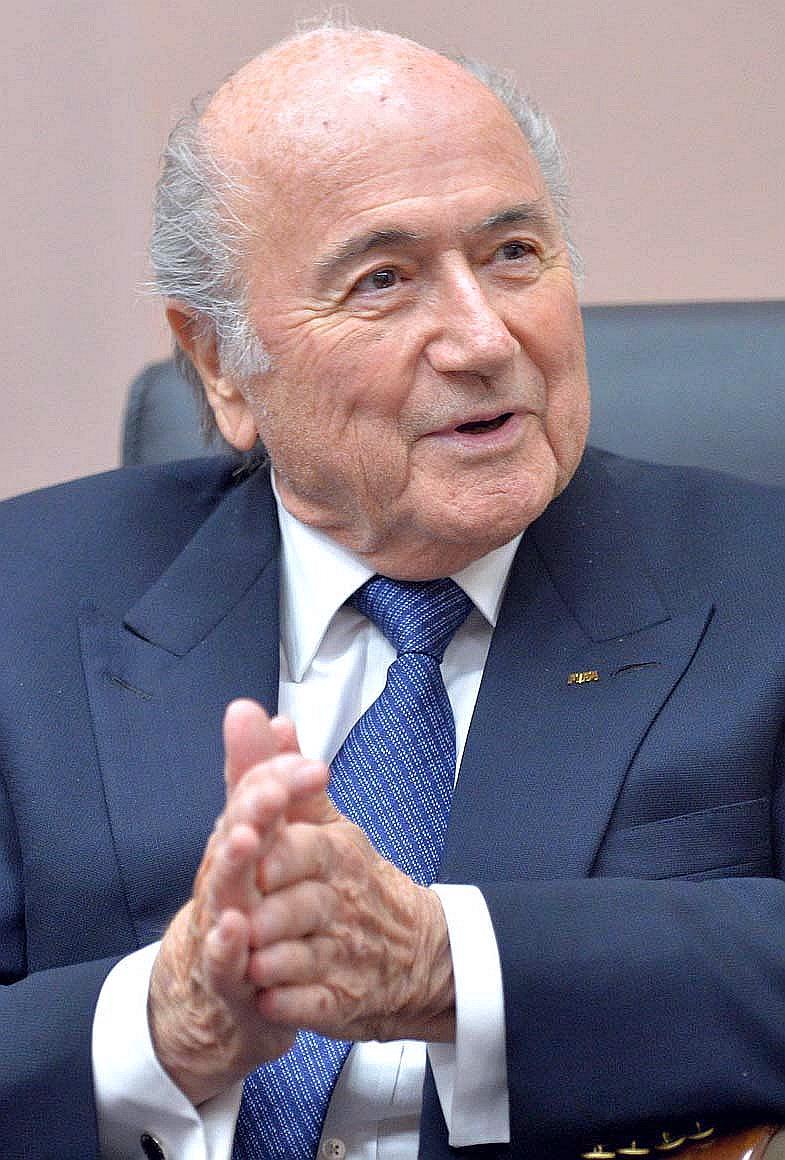
In a significant ruling that reverberates through the world of football, former FIFA President Sepp Blatter and former UEFA President Michel Platini have been acquitted once more by a Swiss court. The decision, which comes amid a backdrop of ongoing scrutiny surrounding football governance and corruption, highlights the complexities of legal battles faced by high-profile figures in the sport. Both Blatter and Platini have maintained their innocence regarding allegations of financial misconduct related to a controversial payment made over a decade ago. This latest verdict underscores the challenges of prosecuting corruption in a sport often marred by scandal, and raises questions about accountability at the highest levels of football administration. As the dust settles on this pivotal case, the implications for both men and the broader football community remain to be seen.
Sepp Blatter and Michel Platini Cleared of Corruption Charges in Landmark Swiss Court Ruling
In a momentous legal development, Sepp Blatter and Michel Platini found themselves exonerated by a Swiss court, bringing to a close years of tumult surrounding their alleged involvement in a corrupt payment scandal. The ruling emphasized the absence of concrete evidence against both figures, upholding their claims of innocence while effectively erasing the blemishes on their reputations. The decision has sparked widespread reactions from fans and football stakeholders alike, with many hailing it as a crucial step toward restoring integrity and confidence in football governance.
The court’s verdict has significant implications not only for the two high-profile football officials but also for the broader sporting community, as questions linger over transparency in football administration. Key takeaways from the ruling include:
- Legal Cleansing: The dismissal of charges reinforced the idea that the accusations were unfounded.
- Impact on Reputation: Both Blatter and Platini’s legacies have suffered, but this ruling may allow them to reclaim their stature within football.
- Future of Governance: The case has sparked discussions about corruption and governance practices within FIFA and other sporting bodies.
Implications for FIFA Governance and Future of Football Leadership Amid Ongoing Legal Controversies
The recent acquittals of Sepp Blatter and Michel Platini not only signal a pivotal moment in their personal legal battles but also raise significant questions about the governance structure of FIFA and the overall landscape of football leadership. Following years of legal turbulence marked by allegations of corruption, these decisions may challenge the integrity of the governing bodies within the sport, prompting calls for a re-evaluation of FIFA’s ethical framework. Stakeholders are now left to ponder the implications this will have on the organization’s credibility and its capacity to enact meaningful reform amidst lingering skepticism.
In light of these developments, the future of football leadership may hinge upon how FIFA responds to this ongoing situation. Key areas for potential reform include:
- Transparency: Implementing stricter oversight and public accountability measures.
- Leadership Selection: Reassessing selection processes to ensure that leaders are held to higher ethical standards.
- Crisis Management: Establishing a comprehensive strategy to address legal and reputation crises swiftly.
The path forward could either reinforce the institution’s legitimacy or lead to further discord among member associations, sponsors, and fans if proactive measures are not taken. The pressure is now on FIFA to transform these challenges into opportunities for lasting change in the governance of global football.
Key Takeaways
In summary, the acquittal of Sepp Blatter and Michel Platini marks a significant chapter in the ongoing saga surrounding allegations of corruption within FIFA. The Swiss court’s decision reinforces the complexities of legal accountability in high-profile sports governance. As the former leaders of football’s global governing body navigate the aftermath of this ruling, the implications for both their legacies and the sport itself remain to be seen. Stakeholders in football will undoubtedly be watching closely for the repercussions of this judgment, as the sport enters a new era of scrutiny and reform. Whether this case signifies a definitive closure or merely another twist in a convoluted narrative, one thing is clear: the pursuit of transparency and integrity in football governance continues unabated.