
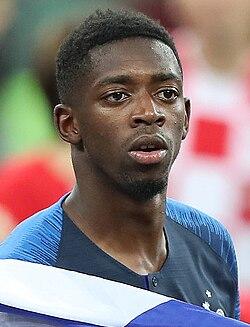
In a world where football often favors the prodigies who burst onto the scene with early accolades, Ousmane Dembélé stands out as a prime example of the transformative power of resilience and evolution. Since joining Paris Saint-Germain, the French winger has embraced the late bloomer narrative, turning setbacks into opportunities and criticism into motivation. As he takes center stage in Ligue 1 and on the international front, Dembélé’s journey offers a compelling insight into the often-overlooked paths that lead to success in professional sports. This article delves into his unique trajectory, exploring the challenges he faced, the lessons he learned, and how he has carved a niche for himself as one of football’s most dynamic players.
Ousmane Dembélé’s Evolution Under Pressure and Resilience
Ousmane Dembélé has always been a player laden with expectations, and his journey through the crucible of professional football epitomizes the true meaning of resilience. After his move to Paris Saint-Germain, he faced immense scrutiny, with critics quick to point out inconsistencies and injuries that plagued his early career. Nevertheless, Dembélé has harnessed the pressure to fuel his development. His recent performances have showcased a remarkable transformation, characterized by improved tactical awareness and a newfound ability to seize crucial match moments. The way he navigates defenders with finesse, backed by a keen understanding of positional play, marks a significant evolution from his time at Barcelona.
Rather than succumbing to criticism, Dembélé has embraced it, using adversity as a springboard for growth. His mental fortitude is reflected in his ability to adapt and thrive under pressure, often emerging as a pivotal figure in high-stakes matches. Key attributes contributing to his evolution include:
- Enhanced technical skills: Dembélé has refined his dribbling and shooting, allowing him to convert more chances.
- Work ethic: A committed training regimen has seen him strengthen his physical resilience, reducing injury risk.
- Tactical intelligence: An improved understanding of game dynamics enables him to make smarter decisions on the field.
As he stands among the elite in football today, Dembélé’s journey serves not only as testimony to his abilities but also a lesson in the power of perseverance and continuous improvement. Observers are now eager to see how he will further evolve in a team that thrives on confidence and ambition.
Tactical Shifts Catalyzing Dembélé’s Success at PSG
Ousmane Dembélé’s resurgence at PSG can largely be attributed to several tactical adjustments that have tailored his playing style to the team’s system. Under the guidance of coach Luis Enrique, Dembélé has found himself in a more dynamic role where his strengths can be maximized. Key changes include:
- Positioning Flexibility: Dembélé is now often deployed in a free-roaming position on the wing, allowing him to cut inside and create goal-scoring opportunities.
- Increased Space Utilization: His ability to stretch the defense has opened up passing lanes, making it easier for midfielders to link up with forwards.
- Enhanced Pressing System: By incorporating efficient pressing tactics, Dembélé has exploited defenders’ mistakes more frequently, leading to crucial turnovers in attacking positions.
This tactical evolution has not only spotlighted Dembélé’s individual talents but has also integrated him seamlessly into PSG’s collective game plan. Furthermore, the statistical improvement in his performances supports the effectiveness of these changes:
| Performance Metric | Before PSG | Current Season at PSG |
|---|---|---|
| Goals | 7 | 14 |
| Assists | 5 | 9 |
| Successful Dribbles | 2.8/match | 4.0/match |
With these tactical shifts, Dembélé has not only revived his own career but has become a crucial asset for PSG, proving himself as one of the Premier League’s most exciting late bloomers.
Lessons from Dembélé’s Journey for Young Athletes and Coaches
Ousmane Dembélé’s ascent to prominence serves as a powerful reminder of the importance of perseverance and resilience in the world of sports. For young athletes, his journey signifies that success is not always immediate and that setbacks can be integral to growth. Dembélé’s early career was marred by injuries and inconsistent performances, yet his unwavering commitment to improvement allowed him to adapt and ultimately excel. Coaches can take this lesson to heart by fostering a supportive environment that encourages players to learn from their challenges rather than succumb to them.
Moreover, Dembélé’s evolution emphasizes the value of a strong support system. During his career, he has benefited greatly from mentorship and guidance from experienced players and coaches, highlighting the importance of collaboration and communication in personal development. Young athletes should seek mentors who can provide constructive feedback, while coaches should prioritize relationship-building within their teams. By embracing a culture of guidance and teamwork, both athletes and coaches may unlock untapped potential and foster a thriving sporting community.
In Retrospect
In conclusion, Ousmane Dembélé’s remarkable resurgence at Paris Saint-Germain epitomizes the unpredictability and drama of modern football. Once viewed through the lens of potential overshadowed by injuries and inconsistency, Dembélé has found his footing under the bright lights of the Parc des Princes. His ability to adapt and thrive in challenging circumstances has not only revitalized his career but has also captured the imagination of fans and critics alike. As he steps into the role of football’s chief late bloomer, Dembélé not only provides a narrative of resilience but also serves as a reminder that even the most talented players can take time to flourish. With the season still unfolding, his contributions could prove pivotal in PSG’s quest for both domestic and European glory. As the footballing world watches with bated breath, one thing is clear: Ousmane Dembélé is no longer just a promise; he is a powerhouse in the making.