
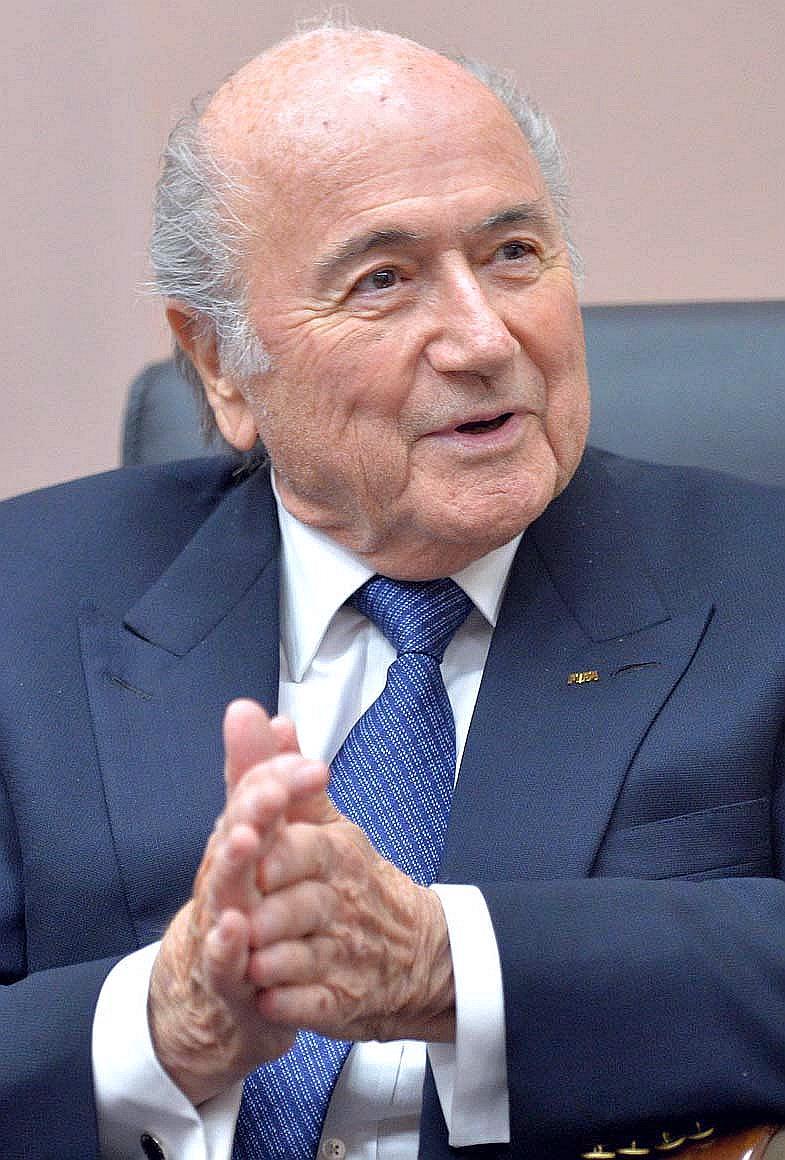
In a landmark decision that reverberates through the world of sports, former FIFA president Sepp Blatter and ex-UEFA chief Michel Platini have been acquitted of charges relating to defrauding football’s global governing body. The ruling, delivered by a Swiss court, has ended a lengthy legal battle that has captivated the football community and raised questions about governance and ethics within the sport. Blatter and Platini, once titans in the football world, faced allegations surrounding a dubious payment that had marred their legacies and ignited widespread controversy. As the dust settles on this high-profile case, the implications for FIFA and the broader football landscape are bound to be significant.
Blatter and Platini Cleared of Fraud Charges in Landmark FIFA Case
In a significant development regarding the controversial dealings within football’s governing body, both Sepp Blatter and Michel Platini have been acquitted of fraud charges. The legal battle revolved around a disputed payment made by Blatter to Platini in 2011, which the prosecution alleged was an act of deception against FIFA. The court’s decision has been met with mixed reactions from the football community, but it underscores the complexities and often murky waters of governance in international sports. The judge ruled that there was insufficient evidence to support the claims of fraud, ultimately leading to the dismissal of the case that had drawn worldwide attention.
This verdict is not only a pivotal moment for the two football icons but also casts a shadow over the integrity of FIFA’s internal processes. In a backdrop of scandals and allegations, the case against Blatter and Platini raised questions about transparency and accountability within the organization. Moving forward, the acquittal allows both figures to reclaim their reputations, although the underlying issues of governance in football remain contentious. Below is a summary table highlighting key developments in the case:
| Date | Event |
|---|---|
| 2011 | Blatter makes a controversial payment to Platini. |
| 2015 | FIFA scandal erupts, leading to investigations. |
| 2022 | Blatter and Platini charged with fraud. |
| 2023 | Blatter and Platini acquitted of all charges. |
Implications for Football Governance and the Need for Reform in Global Sports Organizations
The recent acquittal of Sepp Blatter and Michel Platini on charges of defrauding FIFA has reignited the debate surrounding the integrity of football governance. This judgment underscores the pervasive challenges facing global sports organizations, particularly in their ability to regulate themselves transparently and equitably. Stakeholders from governing bodies to fans must acknowledge that the current structures are often riddled with inefficiencies, making them vulnerable to corruption and mismanagement. Some critical elements that need reevaluation include:
- Accountability: Ensuring officials are held responsible for their actions.
- Transparency: Improving communication regarding financial dealings and decision-making processes.
- Representation: Including diverse voices from all levels of the sport to serve in governance roles.
Moreover, this case highlights the urgency for reform across global sports organizations. Ineffective governance not only undermines the credibility of football but also detracts from the sport’s potential to inspire youth and foster community engagement. To combat these systemic issues, a collaborative approach amongst governing bodies, clubs, players, and fans is imperative. Potential reforms could encompass:
| Proposed Reform | Description |
|---|---|
| Independent Oversight | An external body to audit financial practices. |
| Electoral Reforms | Streamlined voting for leadership positions to prevent manipulation. |
| Ethics Training | Mandatory programs for officials on governance and ethics. |
Insights and Conclusions
In the wake of their acquittal, both Sepp Blatter and Michel Platini have expressed relief, marking a significant chapter in the longstanding investigation that has overshadowed their careers and FIFA itself. While the ruling may bring closure to their individual legal battles, questions regarding governance, accountability, and ethics within football’s global governing body linger. As FIFA continues to navigate its tumultuous past and work towards reform, the implications of this verdict will undoubtedly resonate throughout the sports community. The debate surrounding the integrity of football administration is far from over, and stakeholders at every level will be watching closely as the organization strives to restore public trust.