
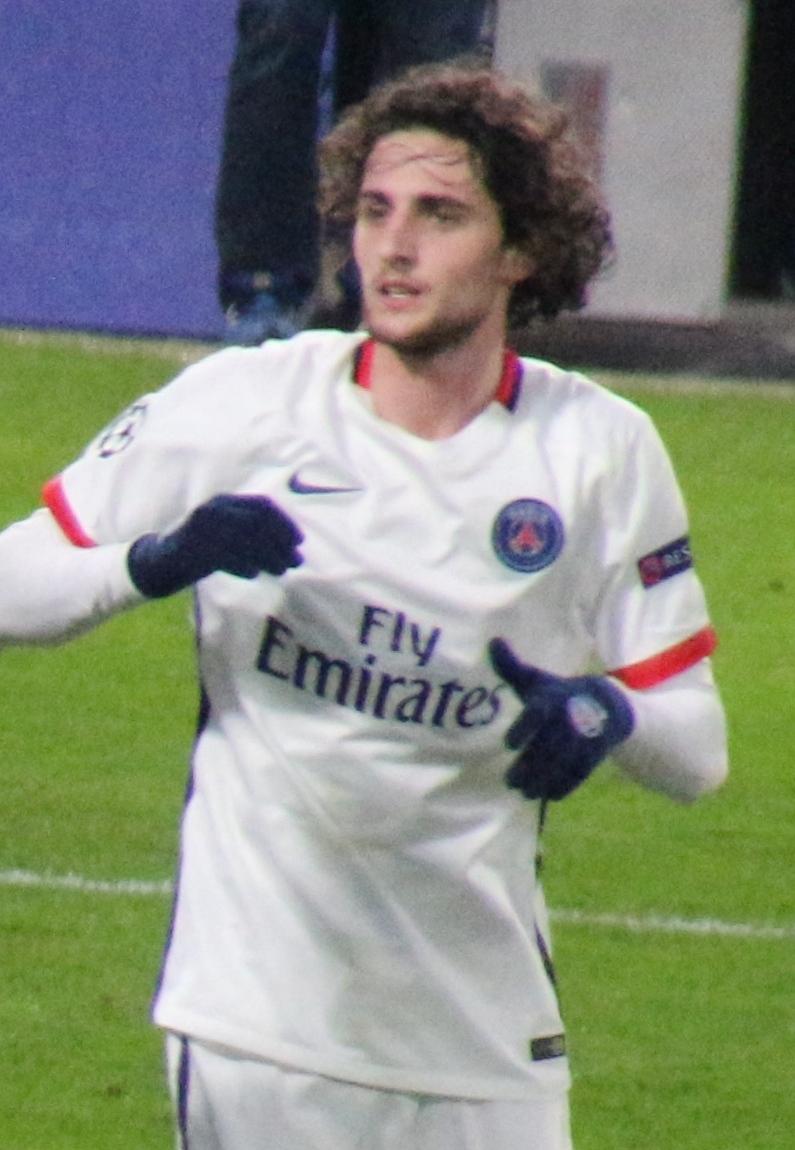
In a dramatic turn of events following a contentious relationship between Adrien Rabiot and Paris Saint-Germain (PSG) fans, the footballer’s mother, Veronique Rabiot, has publicly responded to a provocative banner displayed by supporters during a recent match. The banner, which criticized her son and stirred fervent reactions among the PSG faithful, has reignited discussions surrounding Rabiot’s tumultuous tenure at the club. As emotions run high in the corridors of the Parc des Princes, Veronique Rabiot’s remarks not only shed light on the strained dynamics between the midfielder and the fanbase but also highlight broader issues regarding player support and loyalty in the world of professional football. In this article, we delve into the backdrop of the controversy, Rabiot’s complex relationship with PSG, and the implications of his mother’s comments in an increasingly polarized atmosphere.
Adrien Rabiot’s Mother Defends Son Amidst Controversial PSG Banner
In a bold stand against criticism, Adrian Rabiot’s mother has taken to social media to defend her son following the display of a provocative banner by PSG fans. The banner, which many viewed as not only disrespectful but also indicative of the growing rift between the player and the club’s supporters, sparked fierce debate amongst fans and commentators alike. In her response, she highlighted her son’s dedication, stating, “Adrien works tirelessly for the team and has always given his all on the pitch.” She further emphasized that such displays could affect a player’s mental health, urging fans to reconsider their methods of expressing discontent.
Rabiot’s mother also shared insights into the challenges players face under relentless scrutiny. She mentioned several key points about the cultural dynamics of fandom in modern football:
- The pressure athletes endure: Constant public attention can lead to immense stress.
- The importance of support: Constructive criticism is essential for player growth, while harsh displays can harm morale.
- The role of fans: Fans should cherish their support role rather than become adversaries in their players’ careers.
Fan Loyalty and the Impact of Public Criticism on Player Families
The fervent passion of fans often blurs the line between support and criticism, especially when it comes to player families. The recent incident involving Adrien Rabiot’s mother highlights how public backlash can deeply affect not just the players but also their loved ones. When PSG fans unveiled a derogatory banner directed at Rabiot, it wasn’t just a moment of protest against the player; it reverberated through his family, showcasing the intense burden of being in the public eye. Public figures, like professional athletes, and their families frequently find themselves subjected to scrutiny and backlash, demonstrating the sometimes volatile relationship between fan loyalty and personal sacrifice.
For many families, such public outrage is a painful reminder of the pressures faced by their loved ones. The emotional impact can be profound, leading to responses that underline the protective instincts of family members. Rabiot’s mother, in this case, did not shy away from addressing the banner, emphasizing the need for respect and understanding of the broader context of an athlete’s life. This situation raises crucial questions about the responsibility of fans and the implications of their expressions of loyalty or dissent. The stakes are high, as the emotional toll on families can be significant, often leading to a broader conversation about acceptable fan behavior and the future of player-fan interactions.
Navigating Support and Dissent in Football: Lessons from Rabiot’s Experience
Adrien Rabiot’s turbulent relationship with Paris Saint-Germain fans has escalated significantly following a recent incident involving a derogatory banner aimed at him. The display, which was a reflection of growing discontent among supporters, has prompted a strong response from his mother, Veronique Rabiot. She publicly defended her son, emphasizing the emotional toll such hostility can take on athletes. In her statements, she highlighted the need for mutual respect between players and fans, underscoring the importance of maintaining a healthy environment in professional sports.
This situation sheds light on the broader dynamics at play within football culture, where fan loyalty can morph into hostility. It raises questions about how clubs and players can effectively navigate support and dissent. Key lessons from Rabiot’s experience include:
- Communication: Open dialogue between players and fans can help bridge gaps and foster understanding.
- Empathy: Recognizing the humanity in athletes may reduce the tendency for extreme behaviors among supporters.
- Club Responsibility: Institutions like PSG should prioritize creating a positive atmosphere, ensuring that all stakeholders feel valued.
To Conclude
In the wake of escalating tensions between Adrien Rabiot and Paris Saint-Germain fans, the player’s mother has publicly responded to a provocative banner displayed by supporters during a recent match. Her comments shed light on the emotional complexities surrounding the situation, highlighting the broader implications of fan engagement and player relationships in modern football. As Rabiot’s career continues to unfold amidst scrutiny and passion, this incident serves as a reminder of the intricate dynamics at play between athletes, their families, and the fervent supporters who follow them. As the drama develops, fans and pundits alike will be watching closely to see how this story evolves and what it signifies for Rabiot’s future both with PSG and in the sport at large.